
Advancements in treatment directed by risk stratification and the availability of novel targeted therapy provide new opportunities to improve the health outcomes of patients with pulmonary arterial hypertension (PAH). Jennalyn Mayeux, DNP, FNP-C, and Aaron Waxman, MD, PhD, share their perspectives about the contemporary management of patients with PAH, with reference to recent clinical trials of pathway-specific therapies, the 2022 European Society of Cardiology/European Respiratory Society Guidelines for the Diagnosis and Treatment of Pulmonary Hypertension, and 2024 World Symposium on Pulmonary Hypertension Algorithm for PAH. The faculty also share their thoughts about providing personalized care by an interprofessional, multidisciplinary team.
Please visit our related course, Interprofessional Care of Patients with Pulmonary Arterial Hypertension, by clicking here.
Course Credit:
0.75 AAPA Category I CME Credit
0.75 ACPE Contact Hours
0.75 AMA PRA Category 1 CreditsTM
0.75 ANCC Contact Hours
0.75 CA-BRN Contact Hours
Dates:
Opens: 2025-10-31
Closes: 2026-10-31
Target Audience:
This activity was developed for a national audience of pulmonologists, pulmonary arterial hypertension (PAH) specialists, advanced practitioners, cardiologists, pharmacists, and other clinicians involved in diagnosis and treatment of patients with PAH.
This activity is supported by an educational grant from Merck Sharp & Dohme LLC.
Accreditation

The Annenberg Center for Health Sciences at Eisenhower designates this enduring activity for a maximum of 0.75 AMA PRA Category 1 Credits™. Physicians should claim only the credit commensurate with the extent of their participation in the activity.
Annenberg Center for Health Sciences at Eisenhower designates this knowledge-based activity for a maximum of 0.75 hours. Credit will be provided to NABP CPE Monitor within 60 days after the activity completion.
Annenberg Center for Health Sciences at Eisenhower designates this enduring activity for a maximum of 0.75 ANCC contact hours.
To receive credit for education contact hours outside of the state of California, please check with your state board of registered nursing for reciprocity.
Additional Content Planners
Eugene Cullen, MD (Peer Reviewer)No significant relationships to disclose.
Amber Lambert, MSN, FNP-C, DNP (Nurse Reviewer)
No significant relationships to disclose.
Lauren Mangan, PharmD, BCCCP (Medical Writer)
No significant relationships to disclose.
All of the financial relationships listed for these individuals have been mitigated.
-

Jennalyn D. Mayeux, DNP, FNP-C
Nurse Practitioner
Pulmonary Hypertension & Dyspnea Program
University of Utah
Salt Lake City, Utah -
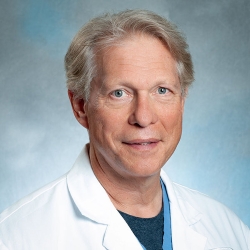
Aaron B. Waxman, MD, PhD
Associate Professor of Medicine
Harvard Medical School
Director, Pulmonary Vascular Disease Program
Brigham and Women’s Hospital
Boston, Massachusetts
Presenting Faculty
Downloads
Learning Objectives
- Describe the pathophysiologic changes associated with disease progression of PAH
- Conduct a diagnostic evaluation for suspected PAH consistent with current guidelines
- Construct an individualized PAH care plan using guideline-recommended risk stratification and patient-specific treatment goals
- Review the safety and efficacy of novel pharmacotherapies for use as treatment escalation in PAH
Faculty Disclosures
Jennalyn D. Mayeux, DNP, FNP-C
Advisory Board: Gossamer Bio, Liquidia
Consultant: Gossamer Bio, Johnson & Johnson, Merck
Speakers Bureau: Johnson & Johnson, Liquidia, Merck, United Therapeutics
Aaron B. Waxman, MD, PhD
Consultant: Merck, OrphAI, Tectonic, United Therapeutics
Data Monitoring Safety Board: INSMED